Poker guides and tools
Check a PLO6 hand, calculate a pot-limit raise or set up a home tournament. There are software reviews too, along with advice on setting limits and taking breaks. Club apps and their joining options are covered in Poker Clubs.
Poker rules, strategy lessons and practice tools

Pokerbase review: session tracking and poker planning
Check session records, reconstruct a hand and plan a small trial before moving your poker history into a new tool.

WSOP Academy: choose a lesson, use the feedback, practice the decision
Build a short study route, diagnose practice feedback and compare the current Academy learning modes with worked examples.

Felt Poker Director: plan the clock and reconcile a home game
Explore the home-game utility, reconcile fictional ledger slips and plan levels, breaks and overnight schedules with two local exercises.

Private poker session tracker: keep the units honest
Keep a local session ledger, separate transfers from profit and currencies from each other, then export your records and recover them from JSON.

Fast-fold poker: the next hand starts before the old one ends
Test fast-fold workflow decisions, read blind responsibilities and compare weighted hand samples without mistaking speed for evidence.

All-in or Fold: legal choices, stack profiles and game costs
Compare cash and tournament stack profiles, test ten rule cases and reconcile side pots, uncalled chips and reserve stacks in a local workbench.

CAP cash games: count the hand, not the stack
Count blinds and earlier contributions against a per-hand cap, compare short-stack calls and test an exact-unit hand ledger.

Fixed-limit Hold’em: count the bet, then the action
Follow a complete chip ledger, distinguish blind posts from betting units, and test twelve decisions about calls, raises and capped rounds.

Stack geometry: follow the chips from flop to river
Compare geometric and custom betting paths, follow effective stacks and SPR, and see exact chip rounding across the remaining streets.
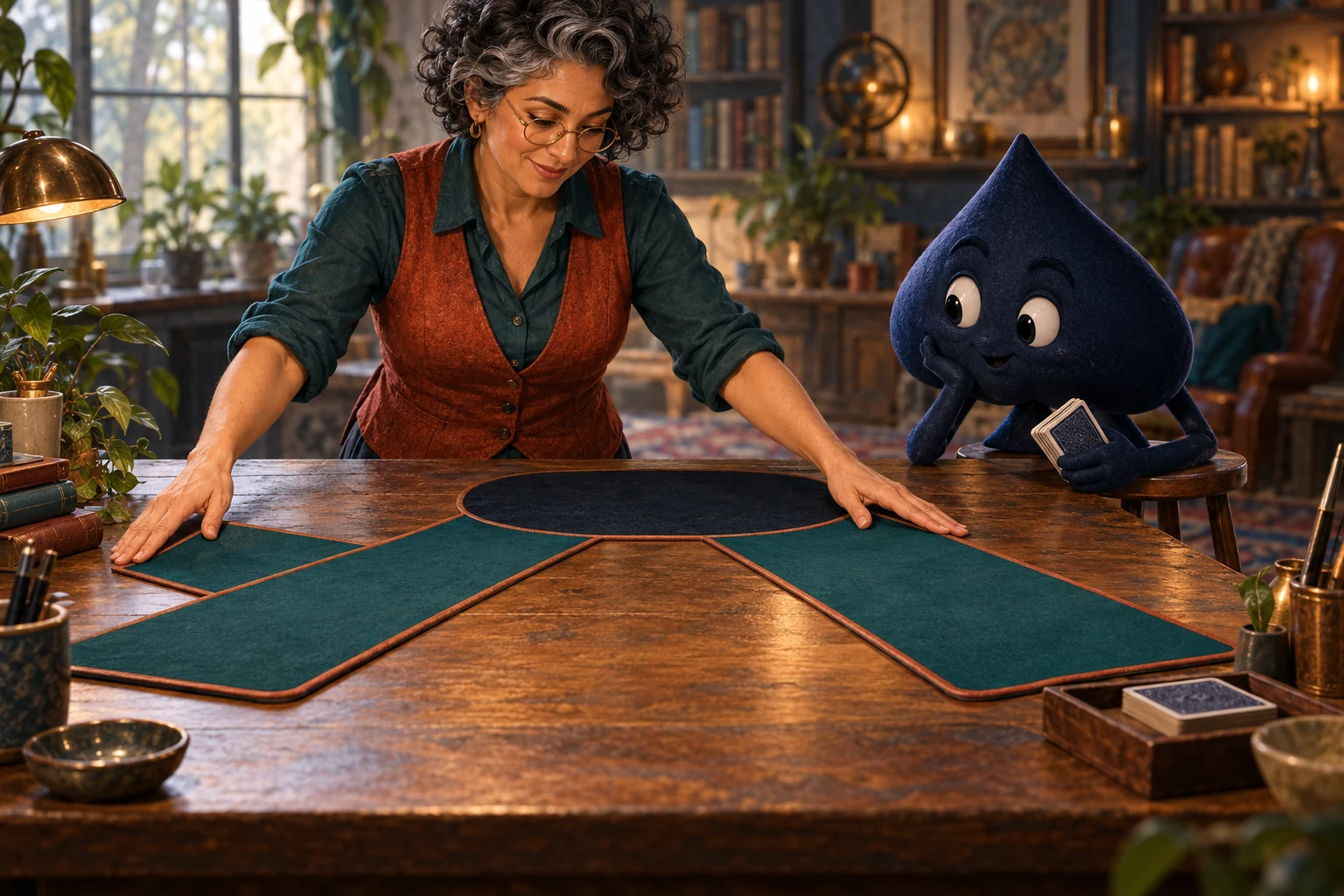
Run it twice: one hand, two endings, separate payouts
Keep shared cards and eligible pots straight, divide two runouts and explore why the second draw changes the odds in a finite deck.
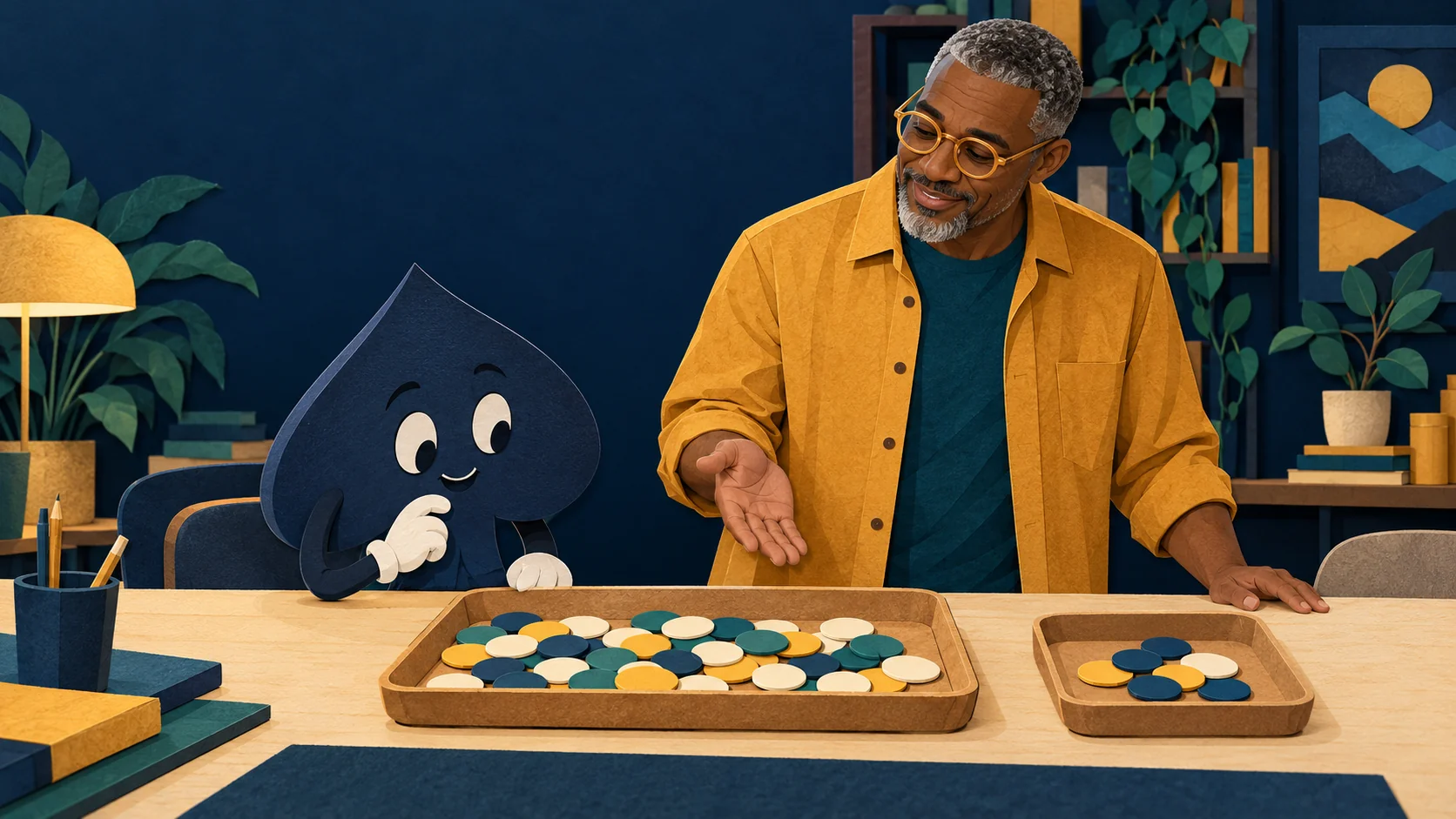
Seven-deuce bounty: eligibility, showing and settlement
Resolve eight bounty claims, test short-balance payments and keep the main pot separate from the side payment in an editable chip ledger.

Taiwanese poker rules: set seven cards, read two boards
Arrange seven cards across three rows, reveal two boards and check weighted points with Mei’s interactive setting desk and scorecard.

Double-board bomb pot rules: read both boards, split each pot
Work through two boards, side-pot eligibility and odd chips with an editable split-pot trainer and exact-card explanations.

Pineapple OFC: a good card can go in the wrong row
Play a complete five-decision practice hand, lock your placements and explore discards, fouls, royalties and Fantasyland with Mira.
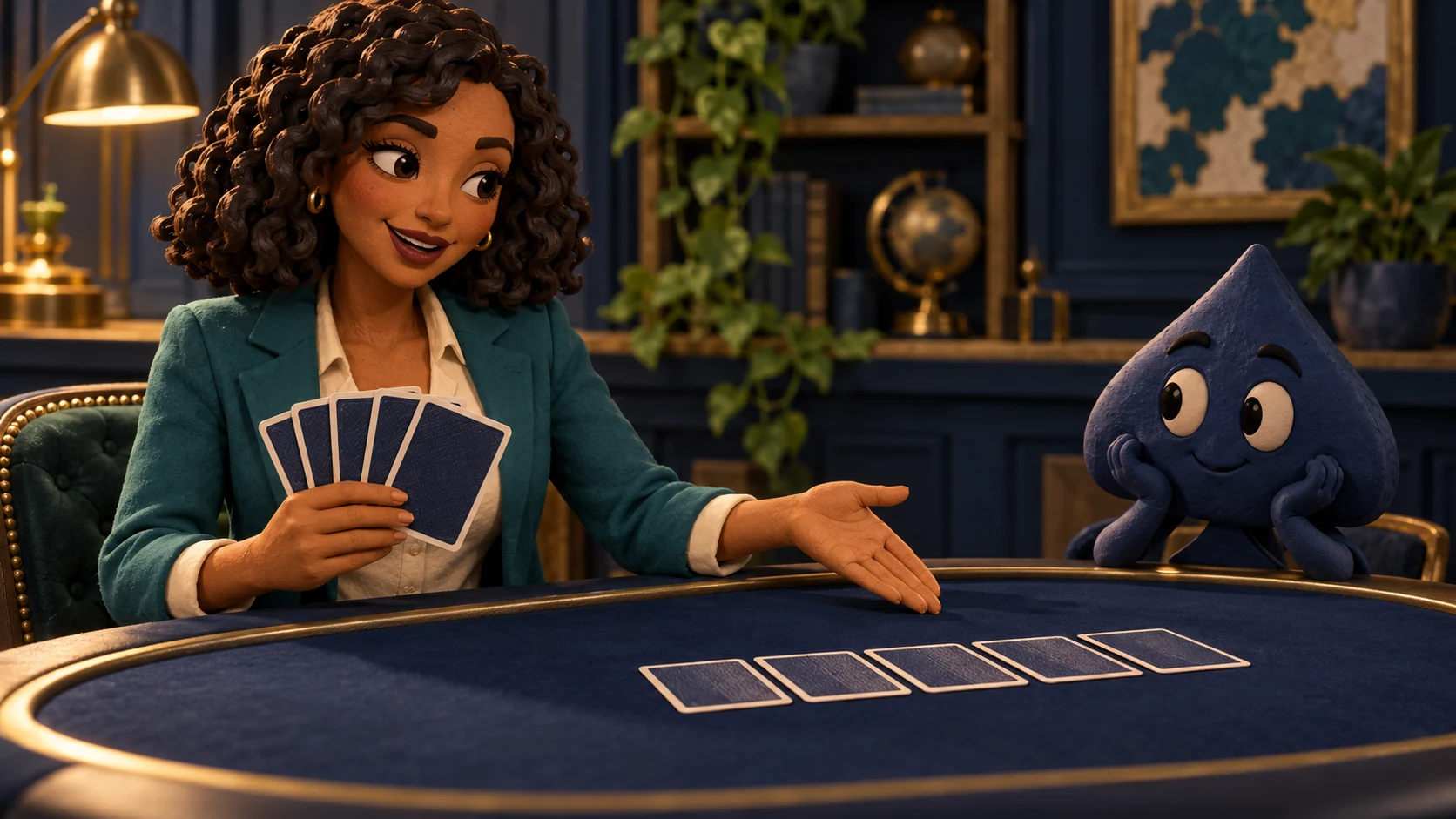
Drawmaha rules: the hand in your hand matters too
Test final hands in an editable showdown lab, compare the draw and Omaha halves, and work through discards, scoops and quartered pots.

Chinese Poker rules: closed 13-card layout and scoring
Arrange thirteen cards in a working layout checker, repair fouls and practice pairwise scoring with Sora and the HPD spade.

8-Game Mix rules: change the game, then check the stakes
Follow the eight-game rotation, solve seven betting situations and rehearse changes between fixed-limit, no-limit and pot-limit.

H.O.R.S.E. poker: change the rules on time
Follow five games with Nia, try an eight-drill trainer with instant explanations, and rehearse the button and betting changes.

Badacey rules: score the five-card low and the Badugi half
Evaluate the A-5 and Badugi halves with Amara, follow a three-draw hand and check tied halves and quartered pots.

Badeucey rules: score both halves before splitting the pot
Compare the five-card low and the ace-high Badugi subset with Imani, then settle six showdowns and tied half-pots.

Stud Hi-Lo rules: build two hands and divide the pot
Build separate high and low hands with Mara, then divide six worked pots including tied halves, side pots and odd chips.

A-5 Triple Draw rules: keep the ace low and follow all three draws
Keep aces low with Petra, follow a complete three-draw hand and solve six exercises that separate A-5 from 2-7.

2-7 Triple Draw rules: track every draw and bet
Follow three draws and four betting rounds with Vera, then check six lowball hands and a complete chip ledger.

2-7 Single Draw rules: read the low, finish the draw
Read low hands with Leila, follow one complete draw and solve six card exercises with a practical review checklist.
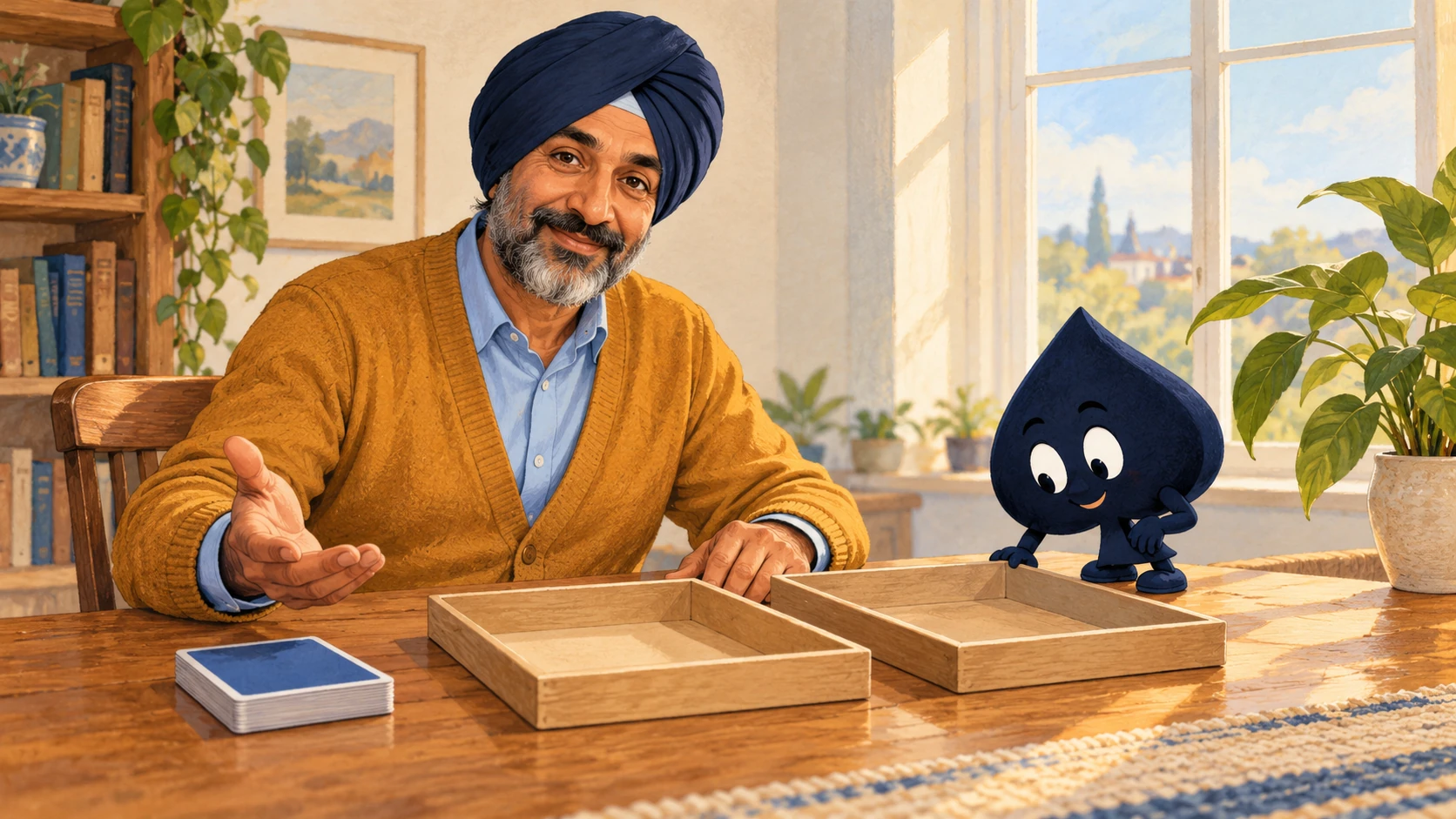
Big O rules: five cards, two hands, one pot
Build separate high and low hands with Harjit, then solve six showdowns involving scoops, quartering and tied pots.

Seven-Card Stud rules: follow the streets, then choose your best five
Follow Ellis through the deal, bring-in and changing action order, then solve six hands and review your own record.

Five-Card Draw rules: deal, exchange, compare
Rehearse a full hand with June, try six card puzzles and check your record with an eight-point checklist.

Razz poker rules: read the low hand, then find the first player
A practical Razz lesson with six checked examples covering low-hand selection, the bring-in, later-street action order and fixed-limit contribution totals.

Short Deck poker rules: read the smaller deck correctly
Read the 36-card deck, separate rule profiles and forced bets, then work through six complete Short Deck showdown puzzles.

Badugi rules: find your best hand before comparing the cards
Read Badugi hands by size first and rank second, follow the three draws, and test six complete deals with expandable solutions.
Omaha Hi-Lo rules: build the low, then divide the pot
Learn Omaha eight-or-better: qualify and rank low hands, build high and low separately, read counterfeit cards, and solve six split-pot exercises.

Courchevel rules: see one flop card before preflop betting
The early flop card changes what you know before betting. Follow the deal and test six checked Courchevel hands, including a tied Hi/Lo low.

PLO5 rules: five cards, ten pairs, one legal hand
A five-card Omaha rules lesson focused on ten private-card pairs, changing hand selections and six checked showdown exercises.

Squid Poker rules: markers, payouts and the finish line
Understand Squid Poker through two clearly named practice profiles, separate operator examples and six off-table exercises on markers, payouts and round endings.

Sushi Poker rules: PPPoker, X-Poker and the small-blind pot
A practical Sushi Poker guide with separate PPPoker and X-Poker rule profiles, clear contribution examples and six short exercises.

Poker tournament types: read the structure before you enter
Separate entry rules, bounty formats and tournament speed. Compare freezeouts, re-entry, satellites and knockouts with worked examples.
Build a poker study week you can keep
Choose one question, try five worked quests and revisit what you learned, with a comic and playful study companions.

Turn player labels into useful notes
Explore tight, loose, passive and aggressive styles, then rewrite vague reads in four practical exercises.

Take better notes at anonymous tables
Separate observations from guesses, count the opportunities and know when an old seat read expires.

Know what a straddle changes
Follow the action order, count calls and raises, and compare stack units with eight open-and-check exercises.
Read VPIP with the hands behind it
Count voluntary entries, compare PFR and test what small samples can actually tell you in six worked exercises.

Responsible play limits and breaks
You can stop gambling now, without reaching a target, recovering a loss or completing this page. A break does not need to be earned by playing well.

Recognizing real-time assistance restrictions
A poker tool’s name does not tell you whether you may use it. What it does, when it runs, which information it receives and the operator’s current policy all matter.

PLO4 rules and legal hand construction
Four private cards can make the table look generous. Your finished hand still has five cards, and only two of them may come from your hand.

Reading solver output responsibly
A solver report answers a question about a specified model. Keep the question beside the result: the ranges, board, pot, stacks, available actions and economic assumptions.

Big-blind ante short-stack cases
The big-blind player can owe two different payments at once: a live blind and a separate ante. If the stack covers both, counting them is straightforward.

Poker account security and recovery checklist
Use a private recovery-route checklist for reset messages, lost authentication, suspected access and poker account restrictions. No credentials requested.
Choose your next poker practice lesson
Pick the question you are working on, then test it in a practice desk.

Range combinations and card removal
Ace-king names a hand class. Ac Kd names one exact two-card holding.

Outs and dirty outs: count the cards that do the job
A card can complete your draw and still cost you the pot. That is the problem with counting a flush draw as nine winning outs before looking at the rest of the hand.

Implied odds and reverse implied odds
Implied odds ask whether future betting can change the value of a call now. The chips you hope to win later are an estimate.

Single-board side pots and uncalled bets
A side pot holds chips that only some of the remaining players can win. An uncalled amount goes back to the player who put it in.

Hand history review without results bias
Stop the hand at the decision you want to study. Hide the later action, river and showdown.

Board texture classification
A useful board description lets another player reconstruct the cards. Calling a flop wet may start a conversation, but it leaves several questions open.

Blockers in a river decision: count what disappears
An ace in your hand can remove strong hands from an opponent’s range. That sounds useful when you want a fold.

Capped and uncapped ranges
A capped range has an upper limit on the hand strength represented in a particular model. An uncapped range retains the strongest relevant possibilities.

Choosing a bet size for a stated goal
A bet size needs a job. If you are betting for value, which worse hands might call?

All-in adjusted results: what the graph omits
An all-in adjustment replaces a defined result with an equity-based accounting entry. Read the definition before interpreting the distance between two lines.

ICM: chips and prize equity
The Independent Chip Model, or ICM, assigns model prize equity to a tournament stack using the remaining stacks and the ordered prizes. Chip share and prize share can differ because finishing second or third may still pay.

Satellite bubble decisions
When a satellite awards identical seats, a larger finishing stack does not buy a larger seat. That changes how a chip gamble can affect prize equity near the qualification bubble.

Range-versus-range equity experiments
Range equity depends on the hands and weights supplied. Change that composition and the result can change, even on a river where every showdown is settled.

Tournament re-entry and late registration
Late registration controls when an event may accept an entry. Re-entry controls whether a player may start another entry after an earlier one ends.

Progressive knockout bounty accounting
Keep an immediate bounty award separate from the bounty carried on your seat. They describe different destinations for the eliminated player’s bounty.

Build a hand quiz from your own history
A useful hand quiz stops at one decision and asks a question the record can answer. Choose a reviewed hand you are allowed to use, remove identifying details, and keep the later outcome separate.

Keep expectation beside the result you observed
Compare fixed-model expected value with observed counts and keep the probability assumption separate.

What does minimum defense frequency actually measure?
Compare the exact continuation and fold fractions, then check the assumptions behind the model.

Who acts first when only two players remain?
Follow the established heads-up button, small blind and big blind through each street.

How many folds does this bluff need?
Compare the net fold and call outcomes, then test the fold frequency your estimate assumes.

One card or two: count the draw you mean
Count fixed targets without replacement and compare exactly one, exactly two and at least one hit.

Read the seat and stack before the decision
Compare remaining depth against each live opponent and follow the original six-seat opening order.

Does this player have the right to raise?
Separate the minimum full raise from reopening and the chips this player can actually put in.

Plan the next home tournament
Plan a home tournament with a visible blind clock and a prize sheet based on your actual entries.

How much can you raise in pot-limit?
Count the call before sizing the raise. Work through examples, try the calculator and check your answers.
Six-card Omaha (PLO6) rules
Learn the two-plus-three rule: use exactly 2 of your 6 private cards and exactly 3 board cards to make your hand.
- Practice choosing legal hands in 7 scenarios
- Pot-limit raise calculator
- Comic lessons and rules quests